 Canada
Canada
Canada
Case study · Structural packaging · 2013
Gourmet food ordered online still arrives in a box. This one was designed to be the first thing the customer thinks about the brand.
Awards for this project — WPO WorldStar 2015, APF AsiaStar, A’ Design Award Silver 2015 and Crescent & Stars of Packaging 2014 — are as listed on tasarist.net and as shown on the award badges of the studio’s own project sheet, captured 2026-09-07. The funding figure is MealBox’s own, reported by TechCrunch, and describes the company, not a return produced by this packaging.
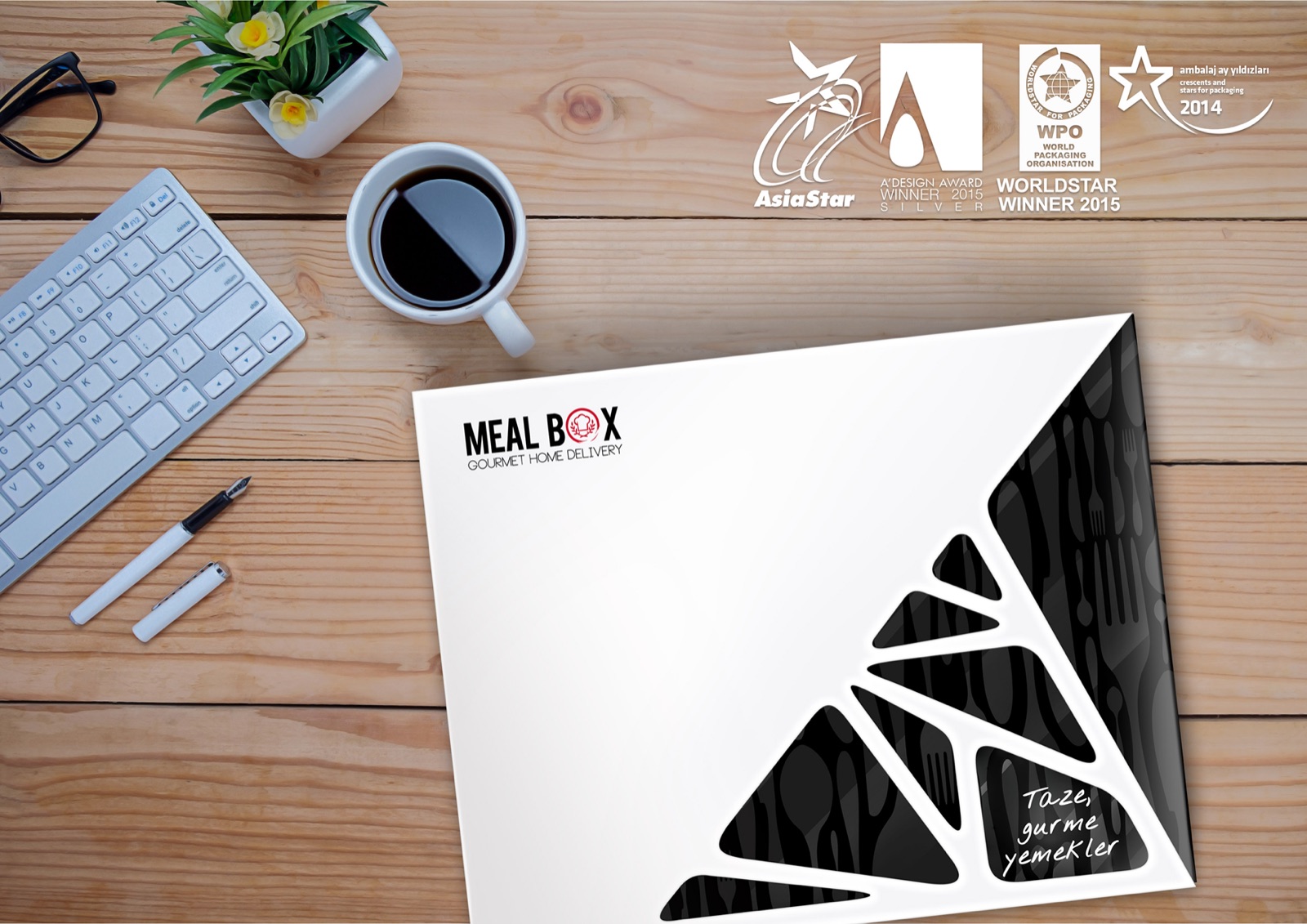
MealBox demanded an elaborate presentation for its fresh, additive-free, gourmet foods, which are sold online.
The client’s brief, as recorded by the studio on tasarist.net (captured 2026-09-07).
MealBox sold fresh, additive-free gourmet food online, into a category where — as the studio put it at the time — almost every delivery moved in an ordinary carton. The food was the product; the box was freight. That is a gap you can design into.
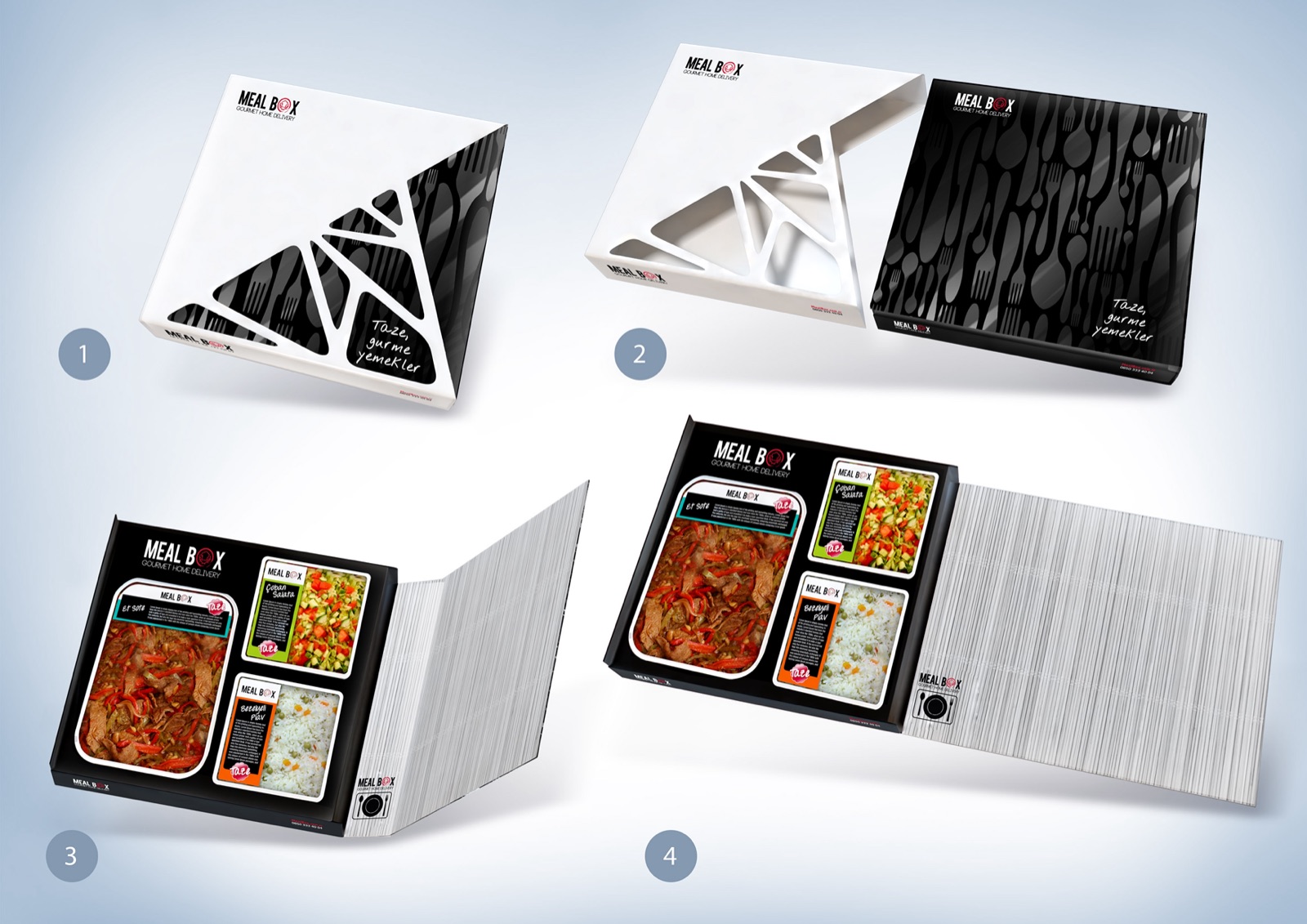
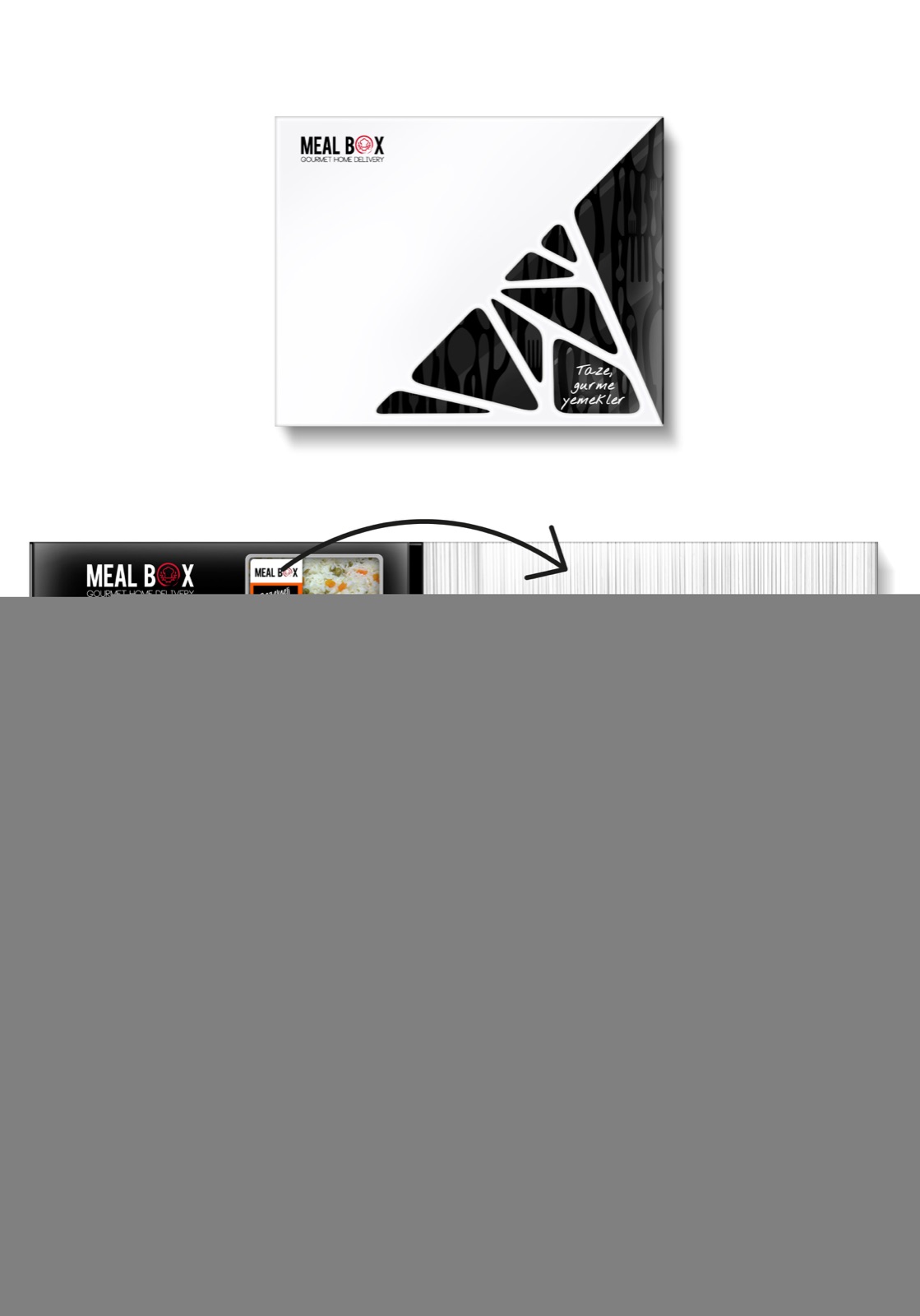
The structure is two parts. The outer carries a window and an asymmetric mouth, so the box opens with one obvious motion instead of a fight, and the food is visible before it is unpacked. The inner tray holds the meal — and the front cover folds out to be used as a table mat, which quietly solves the real problem of eating a delivered lunch at a desk.
Graphically it stays out of the way: plain colours, simple figures, nothing competing with the food. Over three months of social monitoring the studio reports the packaging drew consistently positive comment — and the piece went on to be recognized by four international juries: WorldStar, AsiaStar, A’ Design Award Silver and Crescent & Stars of Packaging.
Packaging and brand design by Tasarist. Project brief, approach and outcome are reproduced from the studio’s own record at tasarist.net (captured 2026-09-07); images are the studio’s renders and photography, shown as design work. Brand marks belong to their owners.