 Canada
Canada
Canada
Case study · Structural packaging · 2018
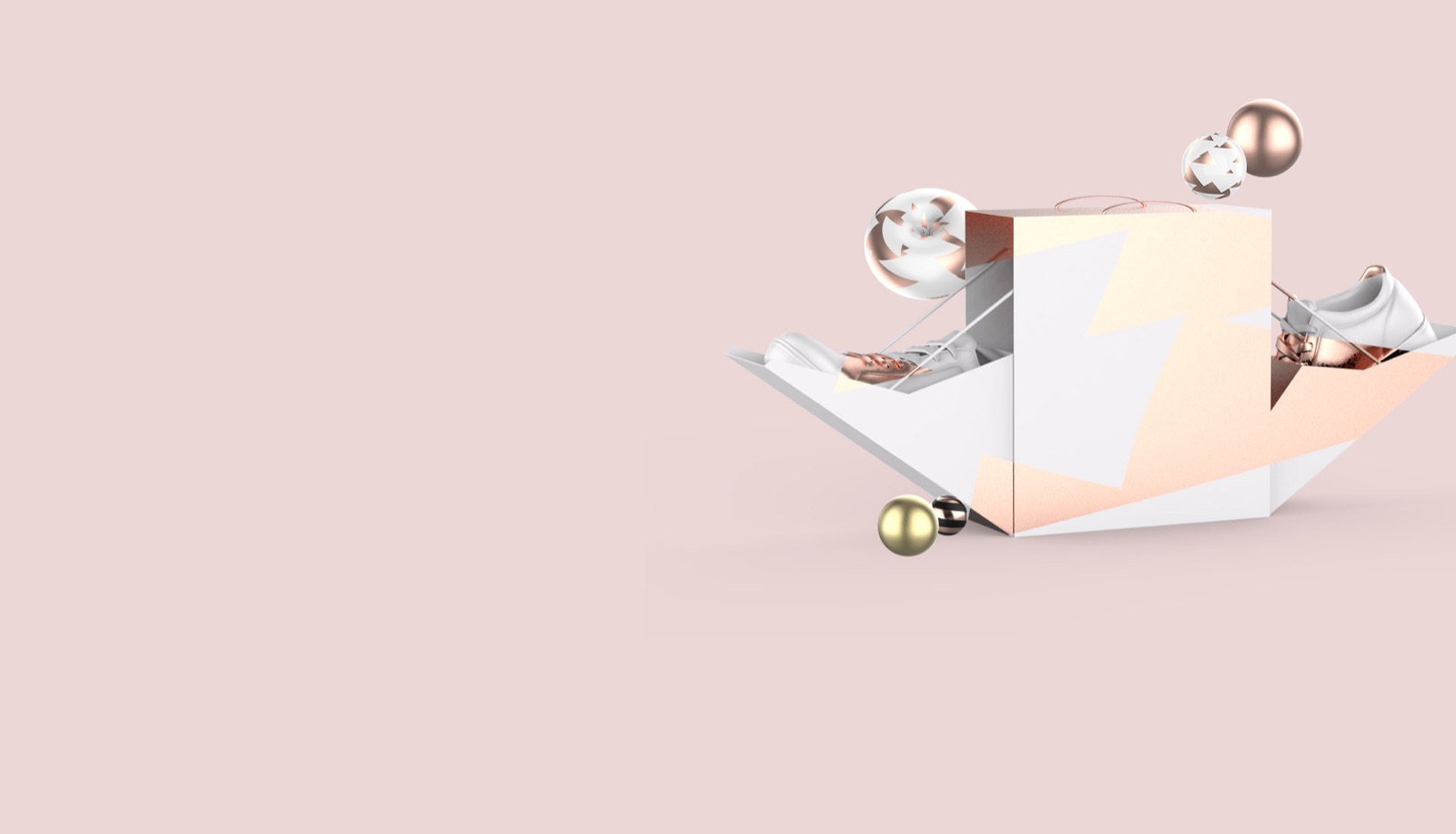
A shoebox angled into a V, given handles, and turned into the thing the customer keeps — instead of the thing they throw away at the door.
The Gold for the Greyder V Design Shoebox at the A′ Design Award and the Design Intelligence Award, 2020, is the record already carried in this site’s awards table; the APF AsiaStar is as listed on tasarist.net, captured 2026-09-07. Greyder is a Turkish footwear brand. No sales or volume figure is published for this project, so none is stated.
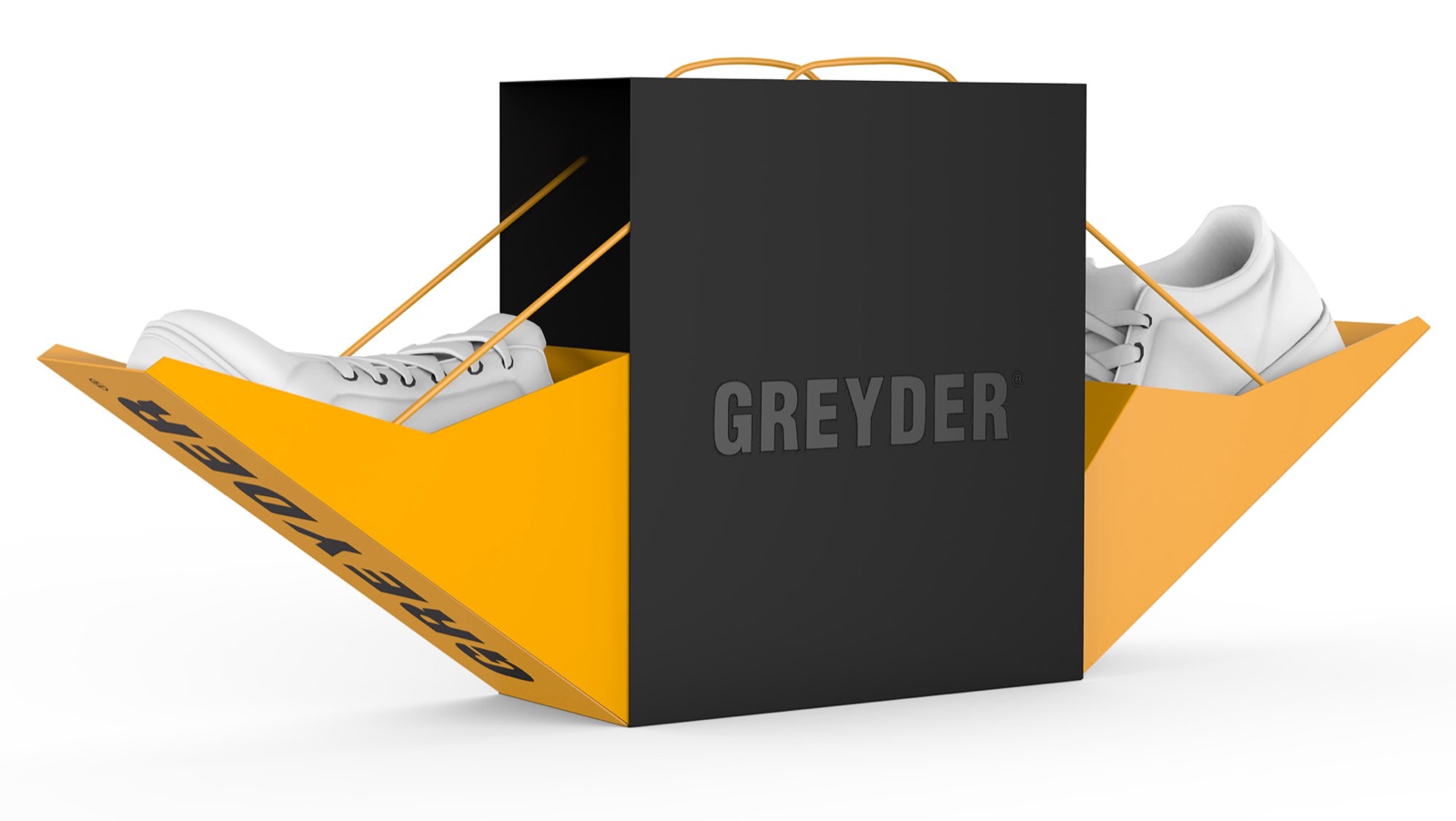
The world-famous Turkish footwear brand Greyder was expecting a packaging design that would make a difference and offer ease of use.
The client’s brief, as recorded by the studio on tasarist.net (captured 2026-09-07).
Greyder asked for packaging that would make a difference and be easier to use. The insight that unlocked it came from watching what people actually do with shoes: office workers keep a spare pair under the desk, and the box they came in gets used as storage — badly, because a conventional shoebox is a lidded rectangle designed for a stockroom shelf, not for a person.
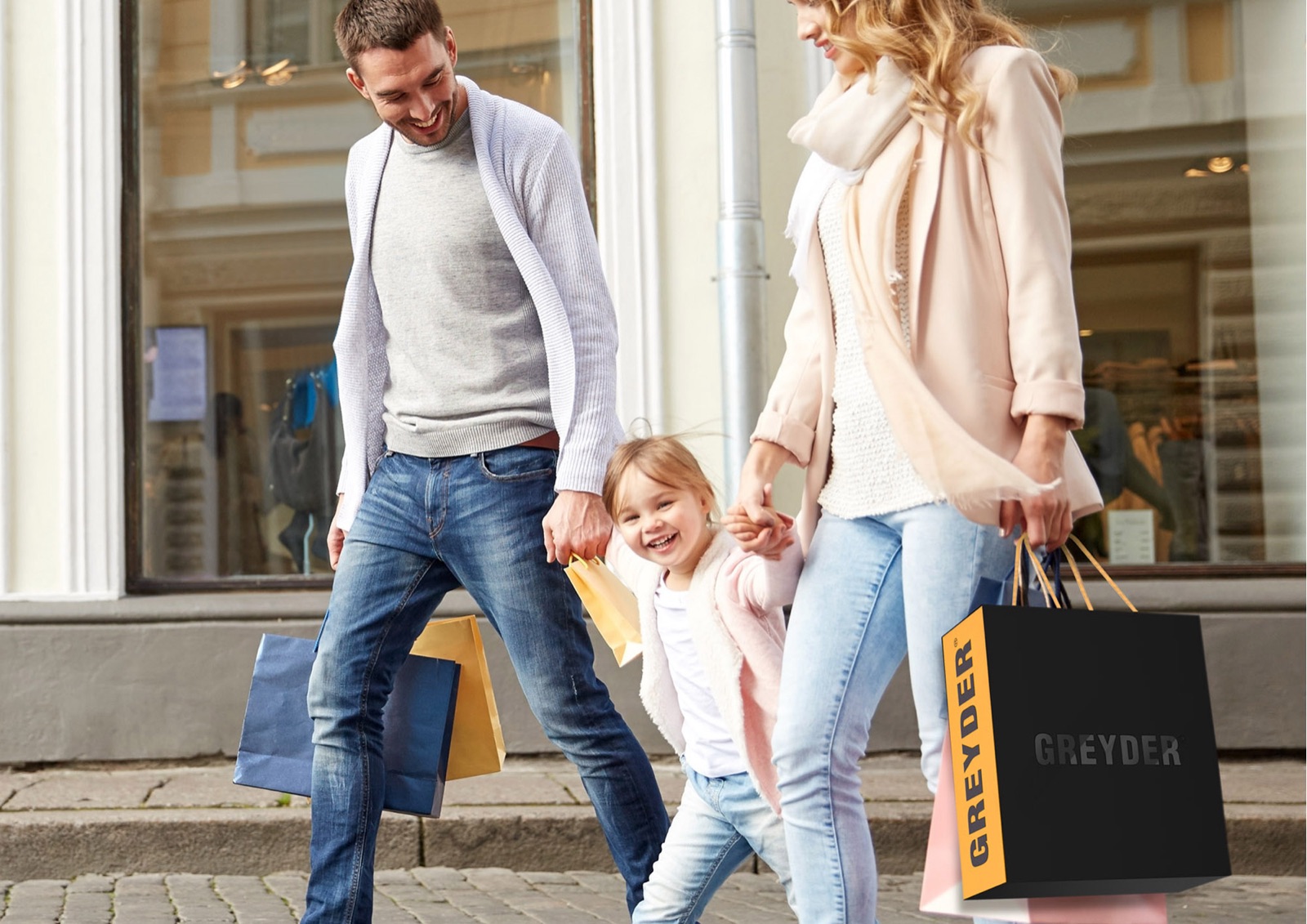
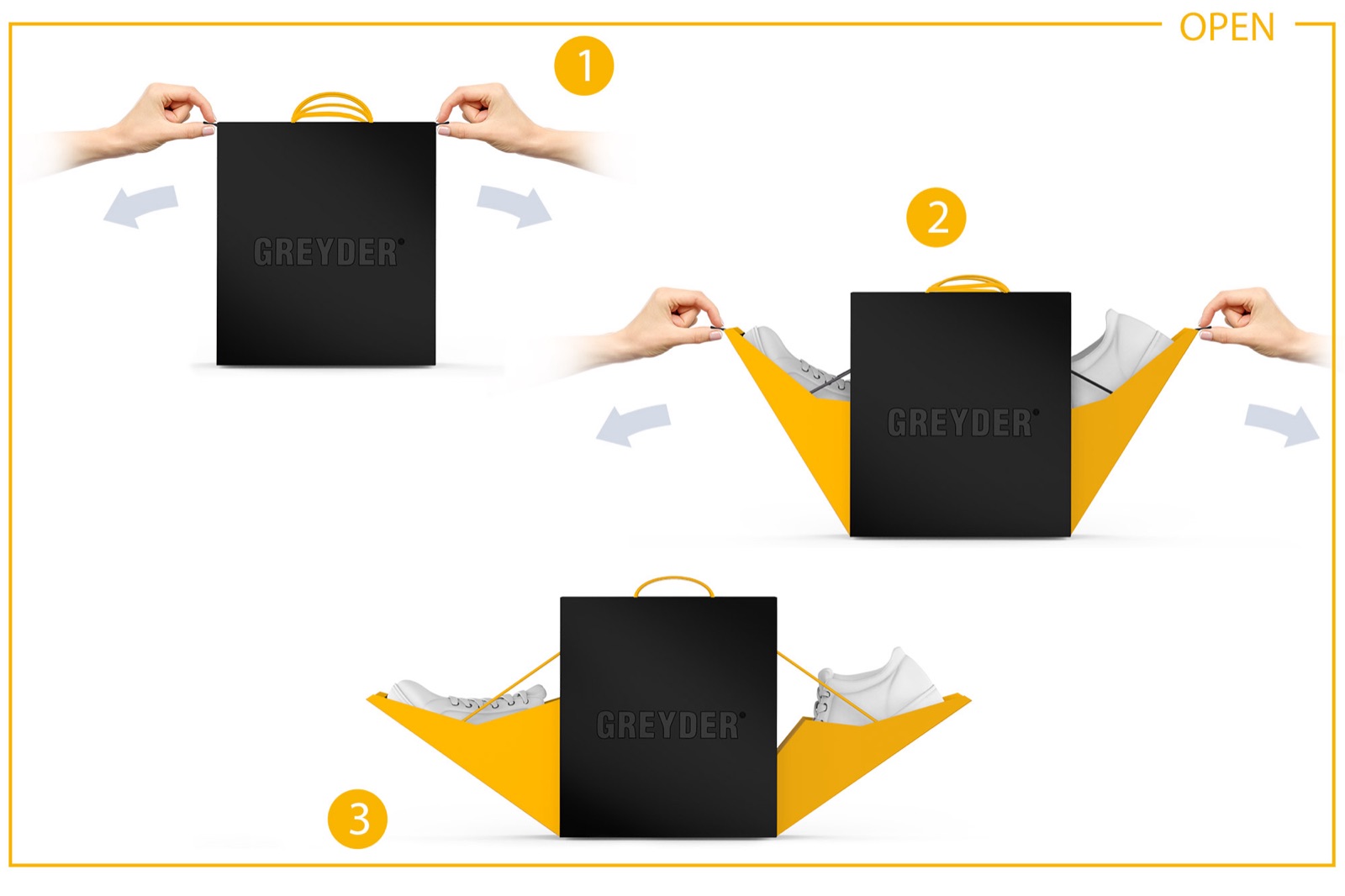
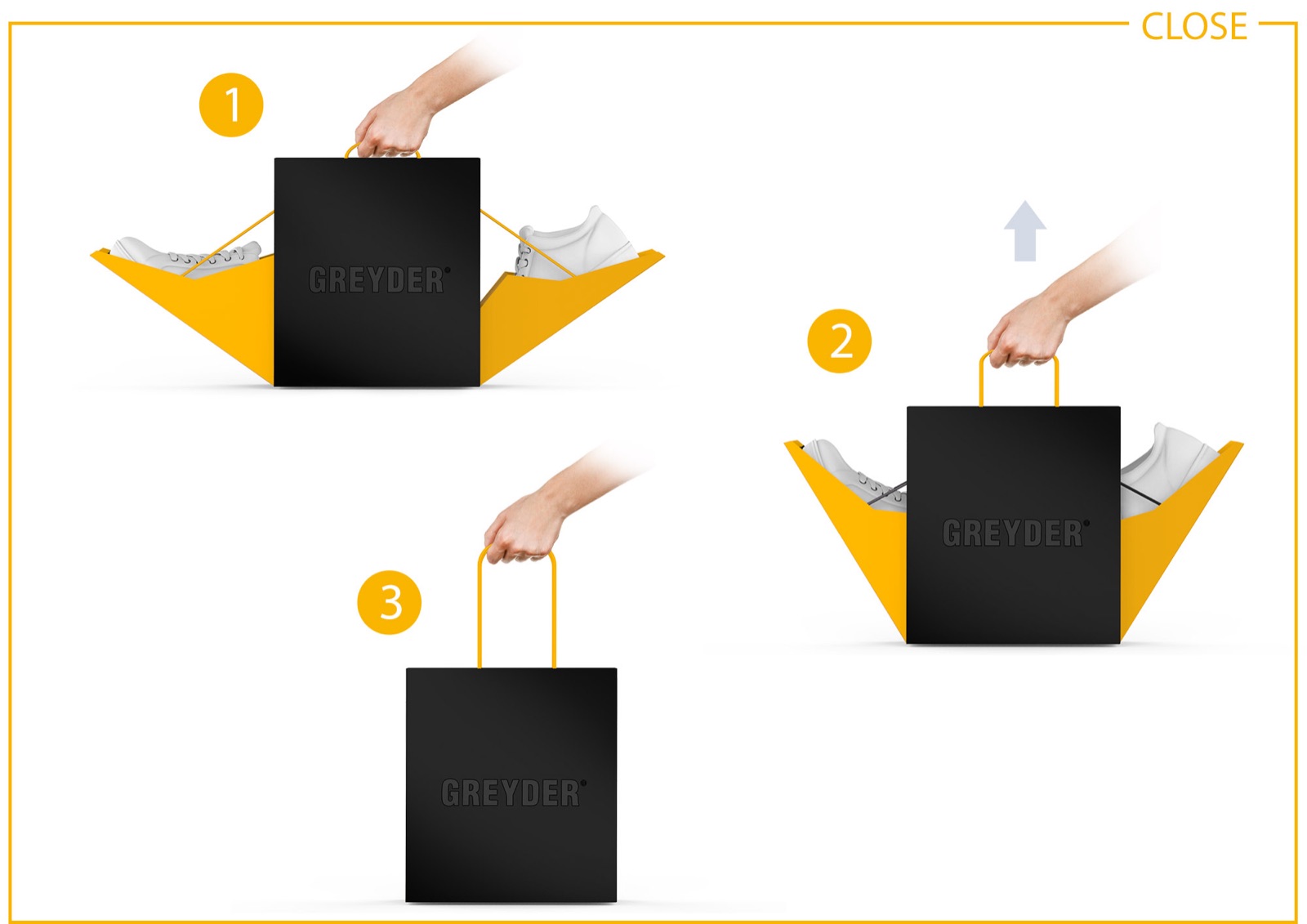
So the structure was rebuilt around the second life instead of the first. The box opens at a V angle, which cradles the pair and lets you see and lift them without unstacking anything, and it carries PP handles, which means it leaves the store in the customer’s hand with no carrier bag at all. One structure covers transport, carry and storage.
That is the rare packaging decision that pays three ways at once: a better moment at the till, one fewer plastic bag per sale, and a branded object that stays visible in the customer’s day instead of going straight to the recycling. As the studio puts it, the brand is strengthened by a pack the consumer keeps using.
The design took Gold at the A′ Design Award and the Design Intelligence Award in 2020, and an APF AsiaStar.
Packaging and brand design by Tasarist. Project brief, approach and outcome are reproduced from the studio’s own record at tasarist.net (captured 2026-09-07); images are the studio’s renders and photography, shown as design work. Brand marks belong to their owners.